DAY 4 (Day 2 riding) - Monday, September 2 La Seu D' Urgell to Bielsa
Photo album
20 photographs
DAY 4 (Day 2 riding) - Monday, September 2 La Seu D' Urgell to Bielsa
Total 250 kms. Approx. 7 hours
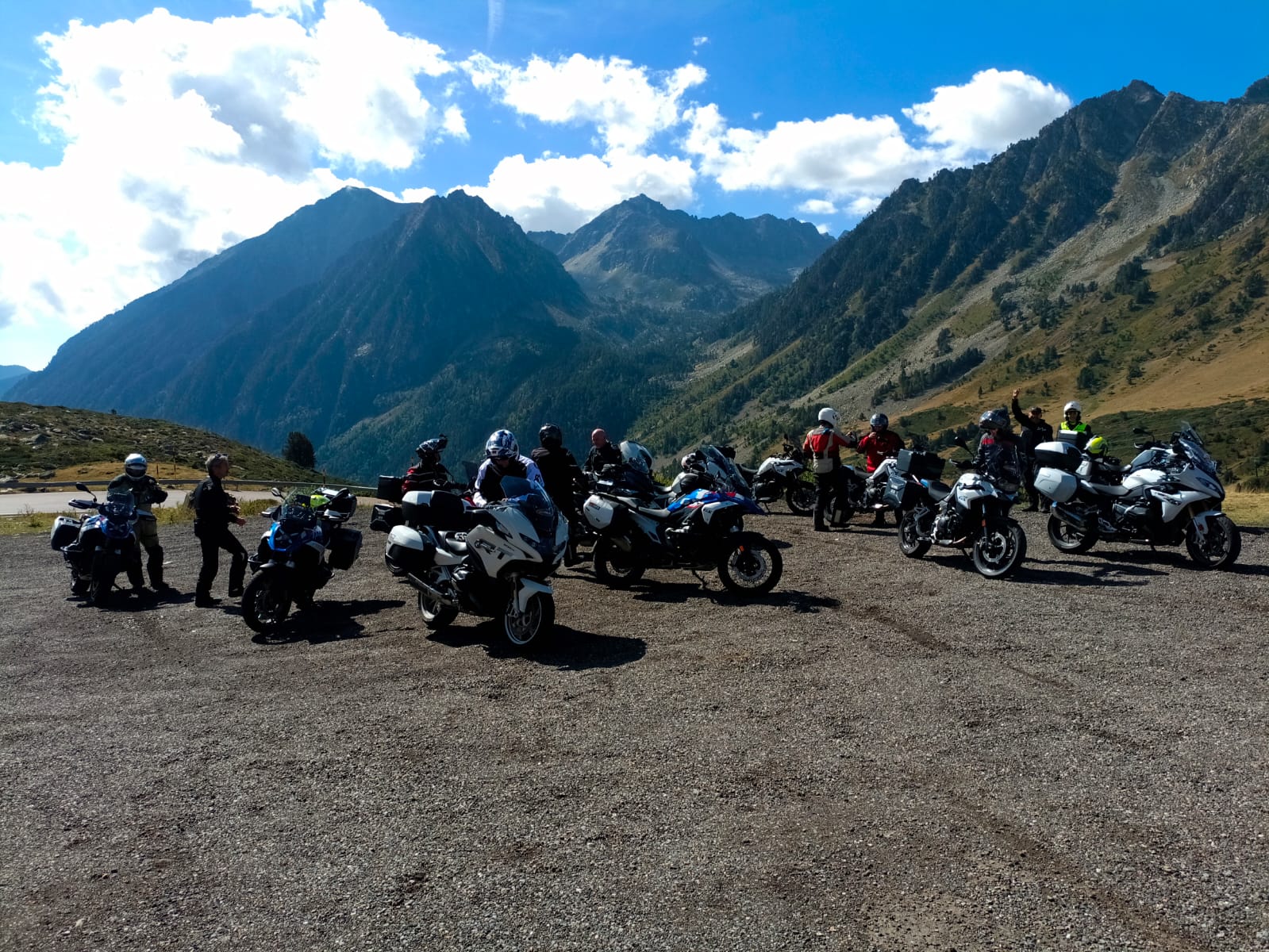
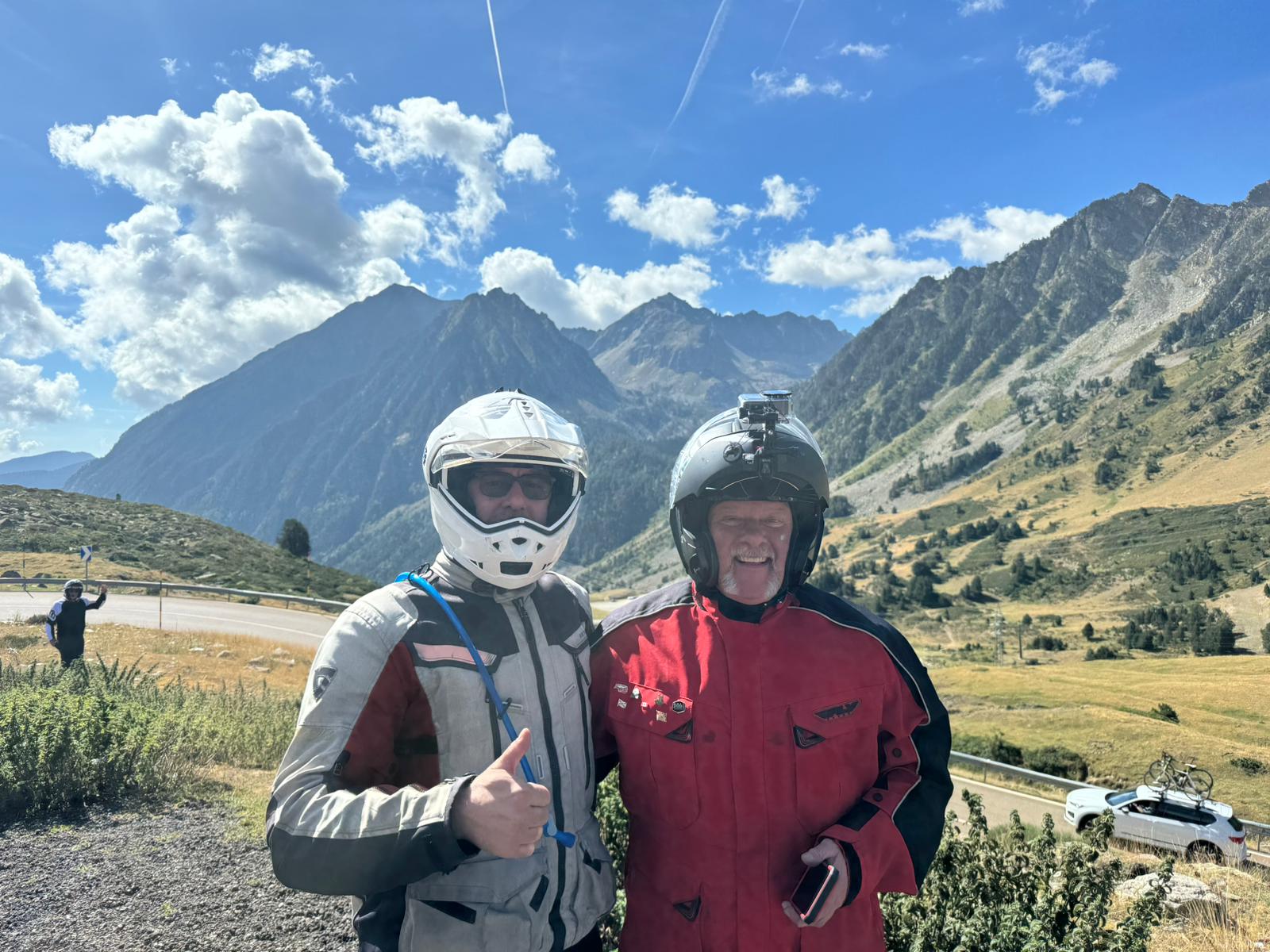
Today we will dive into the magnificent scenery and many curves of the Pyrenees, crossing mountain
passes, some of which have become very well known worldwide thanks to the Tour de France, although
the most famous ones we will save for the following day.
We’ll leave Seu d’Urgell following the“Pyrenean Axis” of the N-260. Just past the village of Adrall there will
be a sign indicating Sort. The road up to the Coll del Cantó and the descent into the valley of the Río de
la Noguera Pallaresa is highly regarded among local motorists as one of the most technical and beautiful
roads of the Pyrenees.
Once in Sort, which in Catalan means “luck,” we’ll continue north on the C-13 through Llavorsí to Esterri
d’Àneu. On this road by the river, we’ll see all kinds of river activities, it’s one of the best areas of the
Pyrenees for rafting and other river sports.
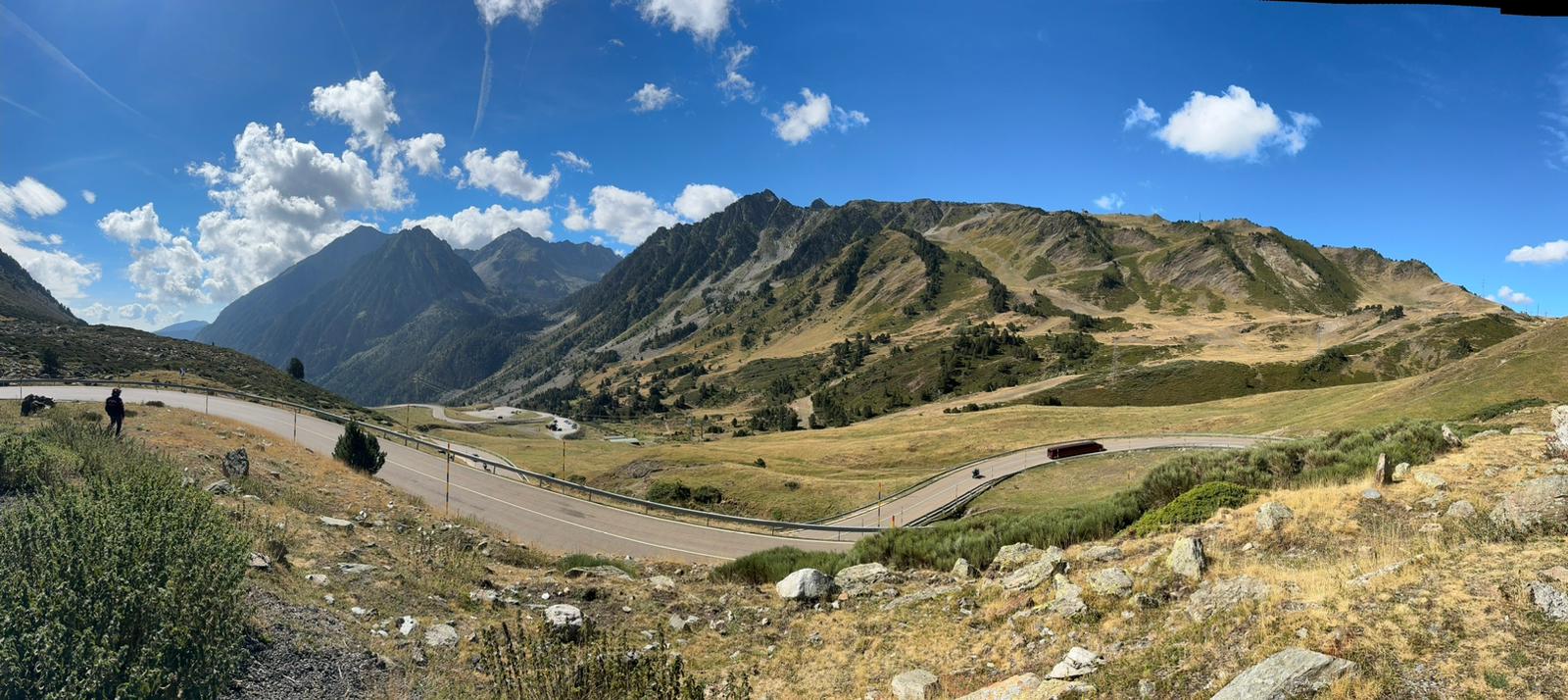
From Esterri d’Àneu we’ll begin the ascent to one of the most important mountain passes of the Catalan
Pyrenees, the Port of Bonaigua, more than two thousand meters high, which is the natural pass from
Spain to the Vall d’Aràn. A succession of “paella like” corners with beautiful scenery of the valley that
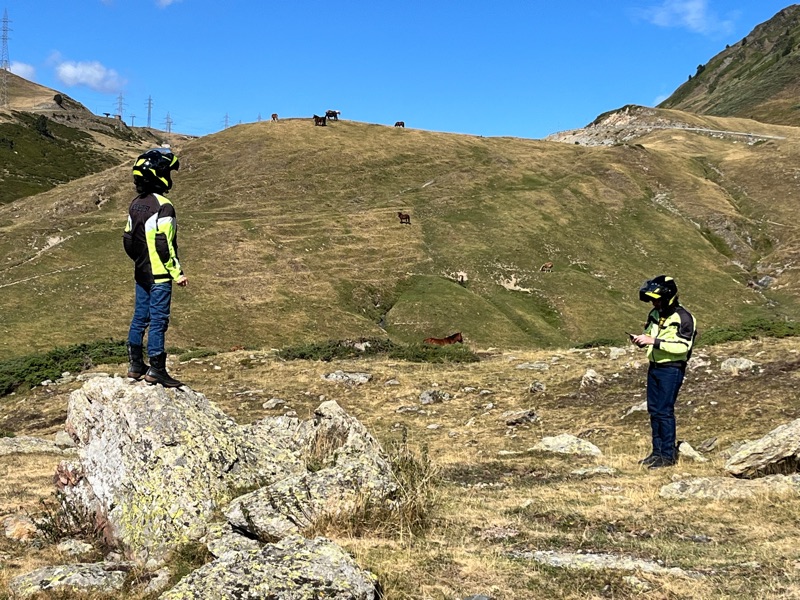
we’ve left behind and which requires special attention due to many horses and cows roaming free in the
surrounding countryside.
The descent to the heart of Aràn takes us through Baqueira-Beret, the largest ski area in the Pyrenees,
with over 100 km of runs, and famous for being the ski area of choice by the Spanish Royal Family for their
winter holidays.
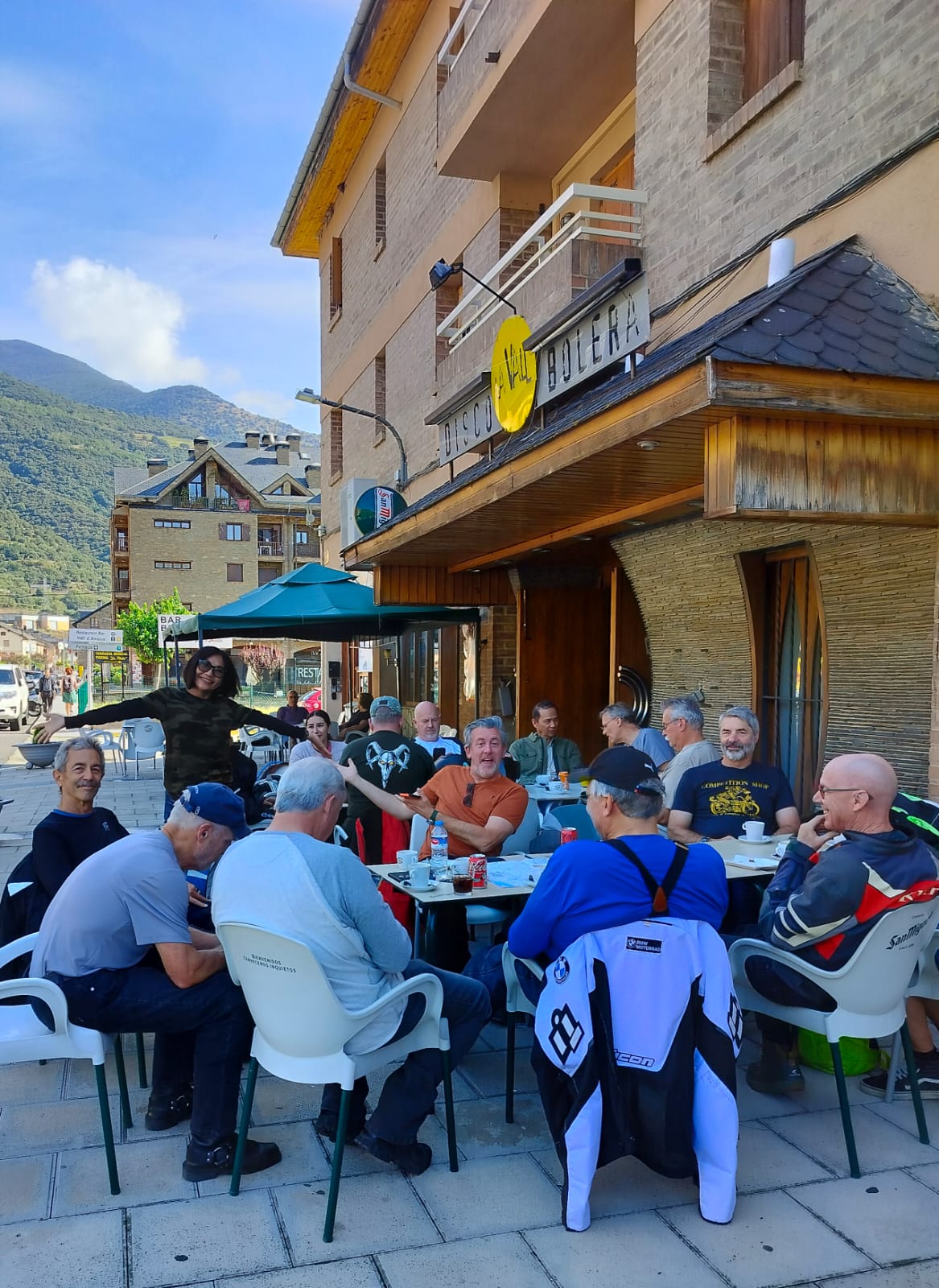
Vielha, the capital of the Vall d’Aran, is a good spot for lunch before heading for the valley’s natural exit
towards France. We’ll follow the Garonne River, to Bossòst, where the ascent begins to Col du Portillon, a
pretty mountain pass that ascends, narrowly but with good asphalt, among a lush forest, up to the boarder.
The descent to Bagneres- de-Luchon, requires extra care because of its narrow 180º curves.
Once in France we’ll ascend to one of the passes that is typically part of the prestigious Tour de France
cycling race, the Col de Peyresourde. It’s of medium height but surrounded with very beautiful green
fields. Do not forget that because of the bicycle races, fans often paint the names of their favorite runners
on asphalt, the paint can be very slippery.
We’ll wind down to Arreau then drive through the valley to the picturesque village of St Lary-Soulan, a
major French resort. From there we will start climbing up to 1800m, where we’ll find the French entry to
Bielsa Tunnel, 3070 m in length, which will be our back door to Spain.
Once again under Spanish skies, in just under ten kilometers, just after a short tunnel, we’ll find the exit for
Bielsa, which we’ll use to start the tour of the secondary road HU- V-6402 that will send us down into the
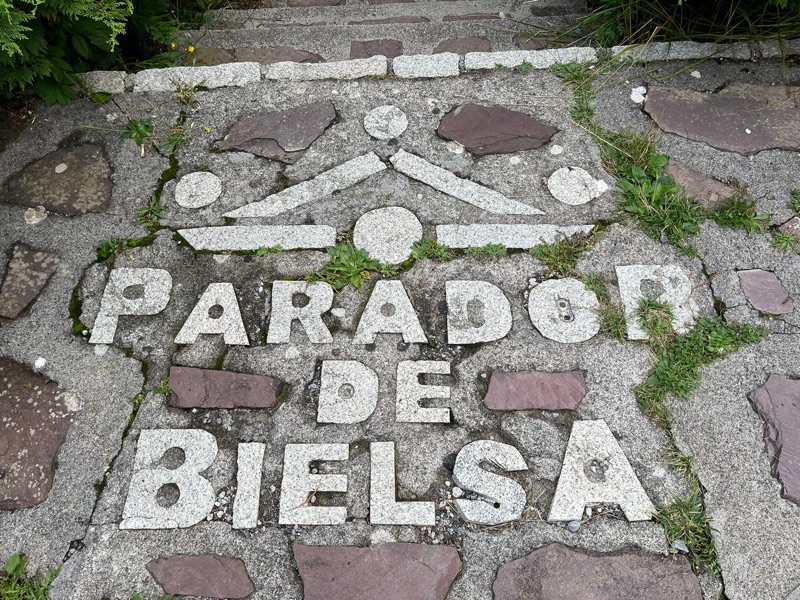
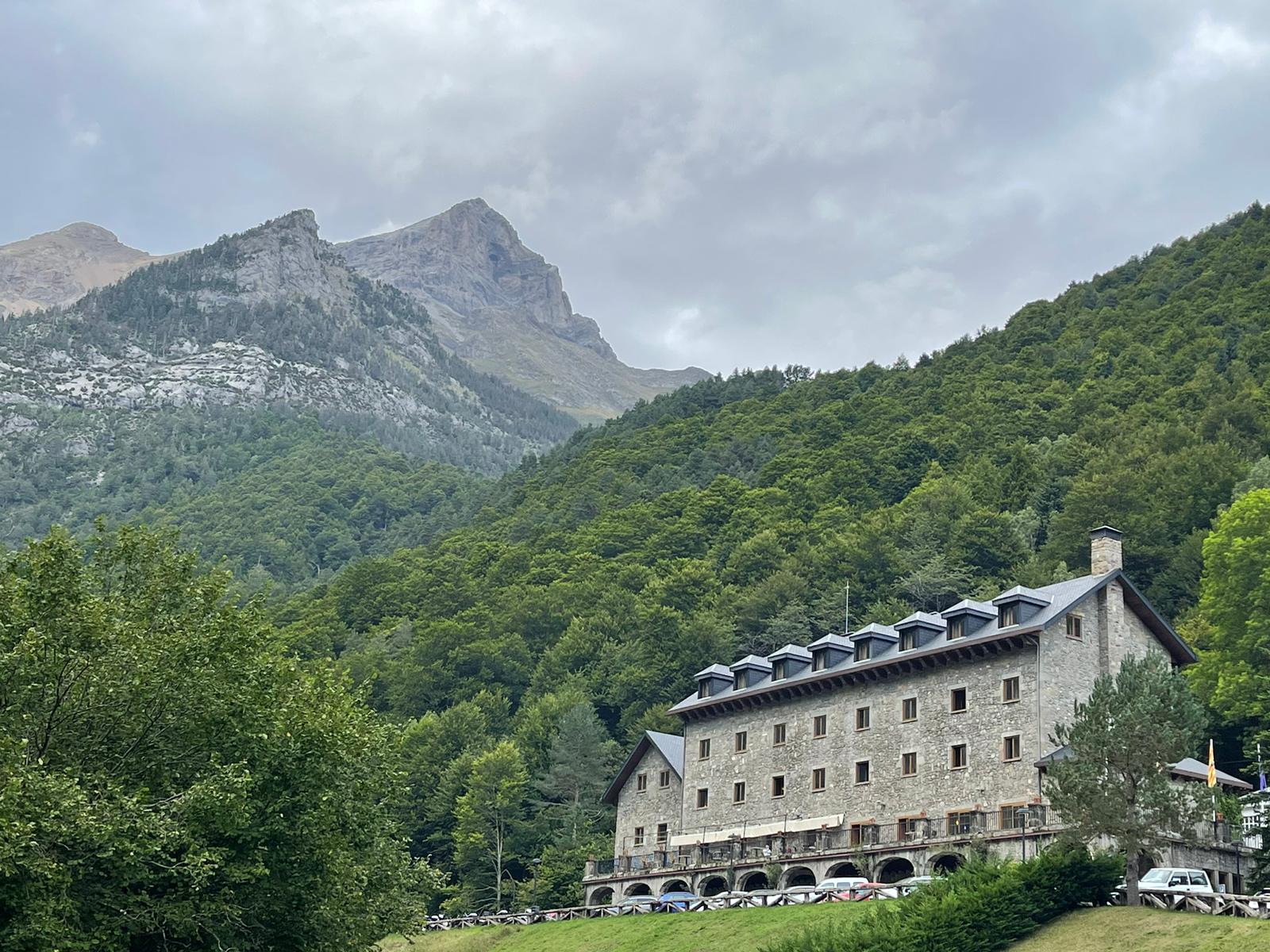
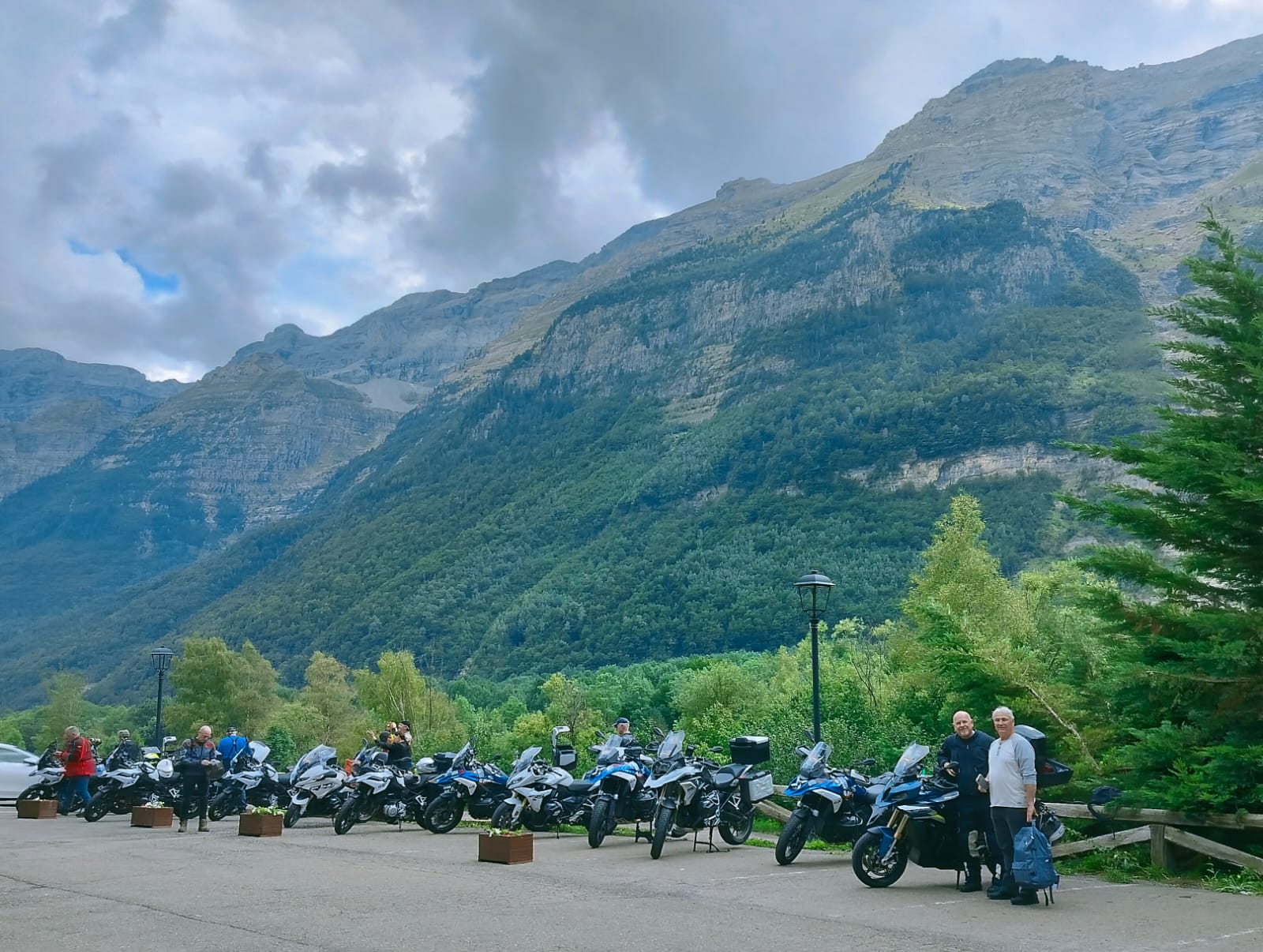
beautiful Valle de Pineta, where we will find our accommodation for the night.
ORDESA Y MONTE PERDIDO NATIONAL PARK
Declared a National Park in 1918 and in 1997 as a World Heritage Site by Unesco. It has an area of 38,500
acres and is spread out over the counties of Bielsa, Broto, Fanlo, Puértolas, Tella-sin and Torla. Monte
Perdido dominates the park with its 3,355m summit, the highest limestone massif in Western Europe,
and its territory includes landmarks of breathtaking beauty such as the Añisclo Canyons. This park is very
popular with hikers and climbers because of its beauty and diversity.